What Can Go Wrong When Shipping a Bike with a Parcel Courier?

If you’ve never shipped a bike before, it’s easy to assume it’s just another parcel. Put it in a box, book a courier, and off it goes. In theory, that’s how it works. In reality, quite a lot can go wrong, and when it does, it rarely goes slightly wrong.
I’m not saying every parcel courier delivery ends in disaster. Plenty arrive perfectly fine. But if you’ve spent enough time buying, selling, building or delivering bikes, you start to see the same patterns cropping up again and again.
Damage Inside the Box
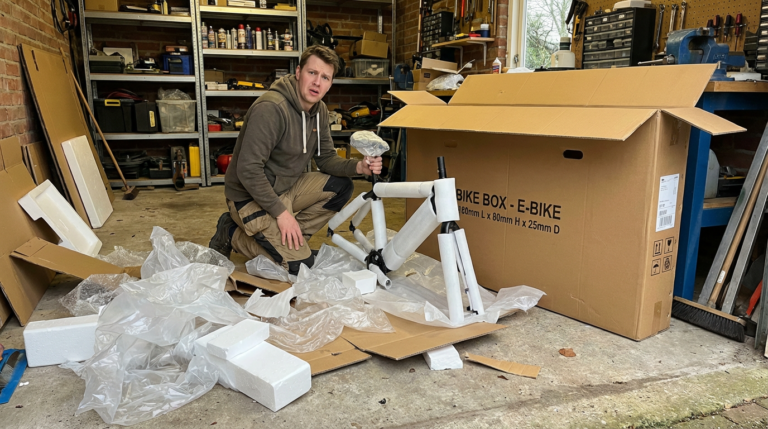
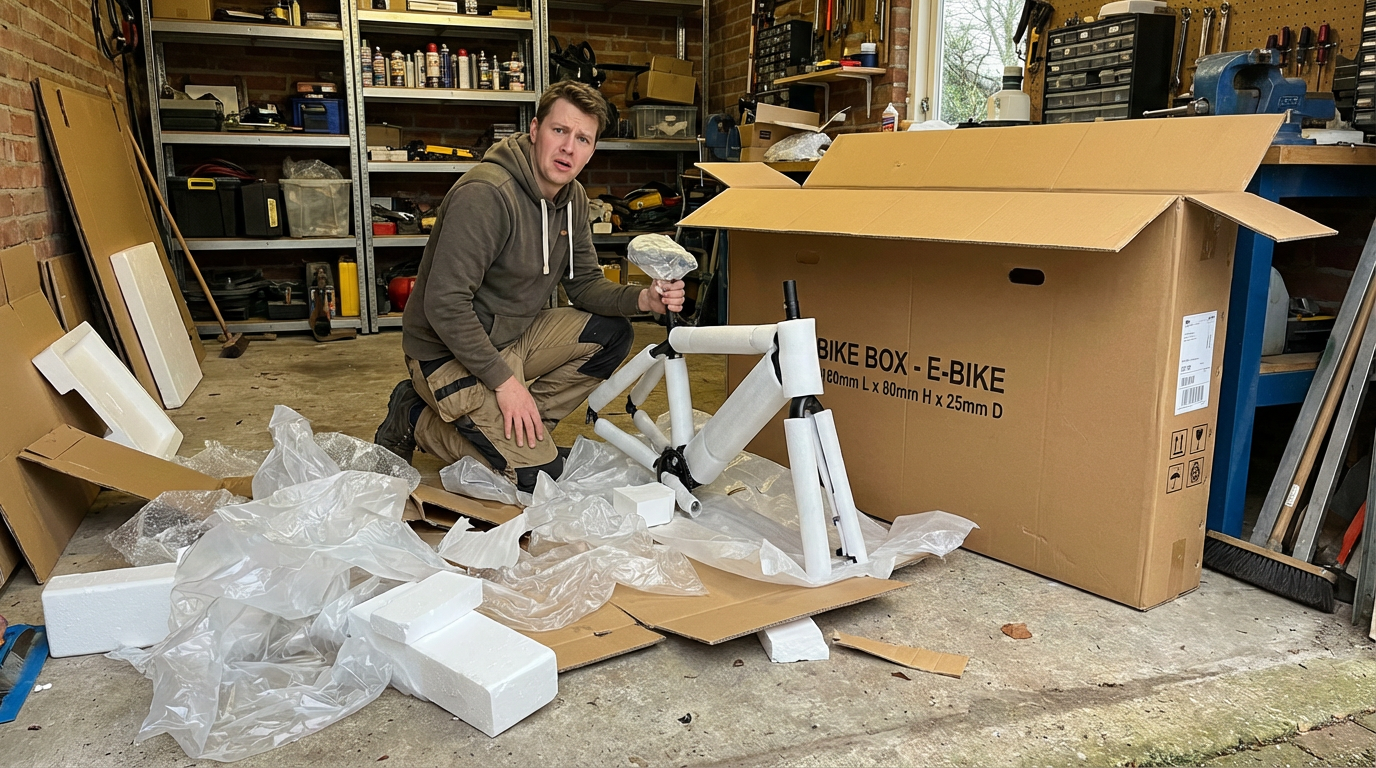
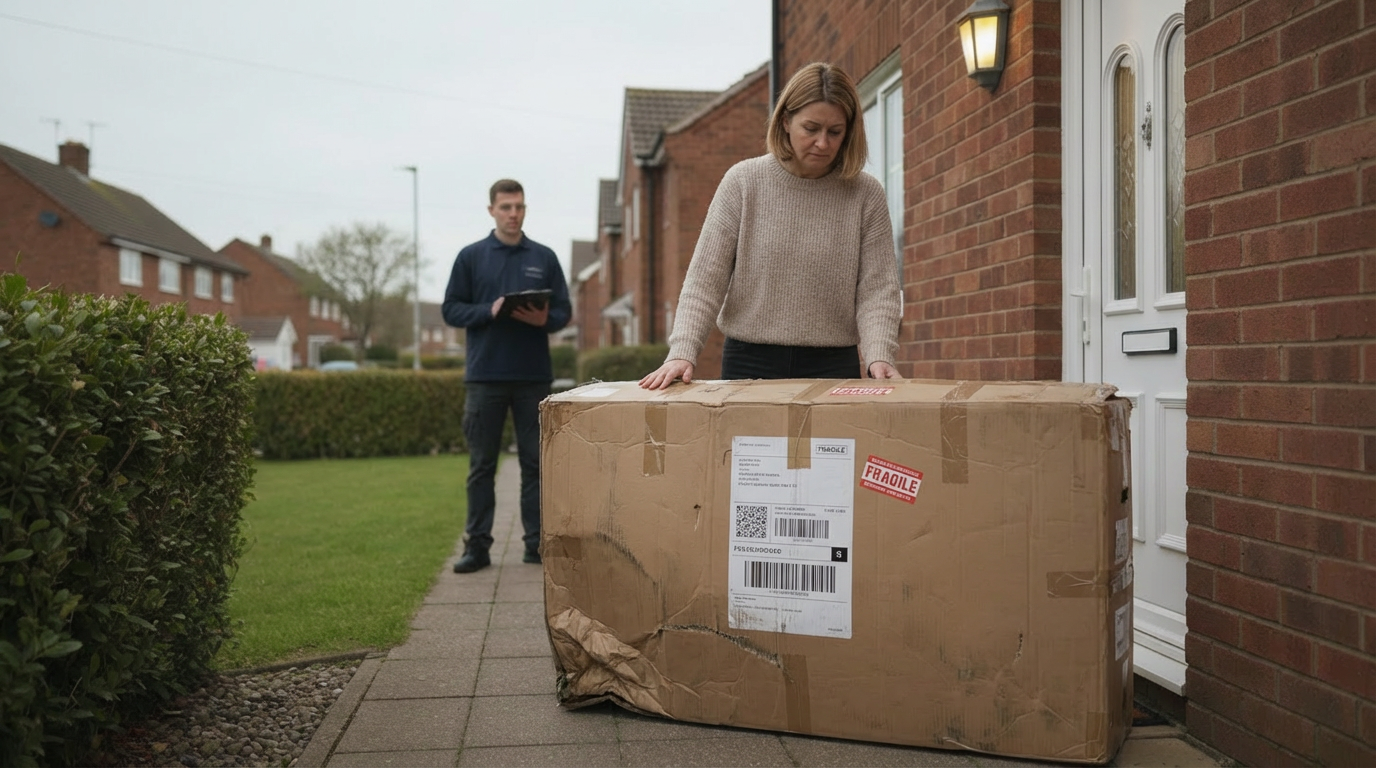
The biggest myth is that a cardboard box equals protection. It doesn’t. It simply hides what’s happening inside. To fit a bike into a courier-approved carton, you usually have to remove the front wheel, pedals, and loosen or rotate the bars. The rear derailleur often sits exposed near the edge of the box, even when packed carefully.
All it takes is one heavy knock during sorting for a derailleur hanger to bend. I’ve seen it more times than I’d like to admit. The box arrives looking fine, but the gears won’t index properly. You open it up, and there it is, slightly twisted. Wheels can arrive out of true, brake rotors can get knocked, and cosmetic scratches appear where components have shifted during transit.
From the outside, it’s “just a box”. Inside, it’s a precision machine that’s been pushed through a logistics system designed for mixed parcels.
Conveyor Belts and Depot Handling
Parcel networks are built for volume. Boxes move through conveyor belts, sorting hubs, and multiple depots before reaching their final destination. That means repeated loading, unloading, stacking and shifting along the way. Even if nobody deliberately mishandles it, the system itself involves movement.
A bike box is bulky and awkward. It doesn’t sit neatly in a cage like a small parcel would. It gets pushed, turned, stacked under other items and sometimes squeezed in wherever there’s space. The more touchpoints there are, the greater the chance something shifts or gets knocked.
Oversize Charges and Dimensional Surprises
Another common issue is size. Bikes are big, even when partially dismantled, and most parcel couriers price shipments using volumetric weight rather than actual weight. If your box exceeds their dimensions, you can be hit with additional charges after it’s already been collected.
That can turn what looked like a cheap delivery into something much more expensive. When I used to sell custom-built e-bikes on eBay, I’d sometimes spend a couple of hours trying to make everything fit into the “right” size box to avoid oversize fees. That meant removing the front wheel, repositioning parts and squeezing things in tighter than I was comfortable with. It wasn’t quick, and it wasn’t ideal.
Insurance That Doesn’t Quite Cover You
Insurance is another area where things get complicated. Most couriers offer compensation up to a certain amount, but there are conditions attached. Was it packed exactly to their specification? Was the damage visible on the outer packaging? Was the value declared correctly?
When I had bikes arrive damaged in the past, insurance rarely covered the true cost. Sometimes the payout didn’t reflect the real value of the bike. Other times, it became a drawn-out process of forms, evidence and back-and-forth emails. Meanwhile, you’ve got a customer waiting for a resolution, and you’re the one who looks responsible.
The Awkward Conversation with the Buyer
This is the part nobody really talks about. You’ve packed the bike carefully, booked a reputable courier and done everything properly. Then the message arrives saying the gears aren’t working, the wheel looks slightly buckled, or there’s a scratch on the frame.
Even if it’s not technically your fault, you’re still the seller. You’re the one fielding the complaint, explaining the situation and trying to keep things calm. After it happened to me a few times, I started to worry every time I sent a bike out. Instead of feeling pleased about a sale, I was waiting for that dreaded email.
Reassembly Issues at the Other End
Even when a boxed bike arrives undamaged, it still has to be reassembled. Not every buyer is mechanically confident, and small mistakes can cause unnecessary problems. If something isn’t tightened correctly or if a derailleur was slightly misaligned during packing, the new owner might assume the bike itself is faulty.
That can lead to returns, refund requests or poor feedback, even if the issue is minor. A bike that arrives fully assembled avoids that entire layer of potential misunderstanding.
The Hidden Time Costs
Before a bike even leaves your house, you’ve already invested time. Finding a box, sourcing packaging materials, dismantling the bike, protecting components and taping everything securely can easily take a couple of hours if you want to do it properly.
If you’re also trying to avoid dimensional surcharges, that process becomes even more careful and time-consuming. Add in the possibility of dealing with damage claims afterwards, and the true cost of “cheap” parcel shipping becomes clearer.
It’s Not That Parcel Couriers Are Bad
Parcel couriers aren’t bad at what they do. They’re simply built for parcels. A fully assembled bicycle with exposed components isn’t a standard parcel. It’s long, awkward and vulnerable in specific areas.
When you try to make it fit a system designed for mixed goods, compromises have to be made. Usually, those compromises involve dismantling and heavy packaging, and that’s where the risk begins to creep in.
So What’s the Alternative?
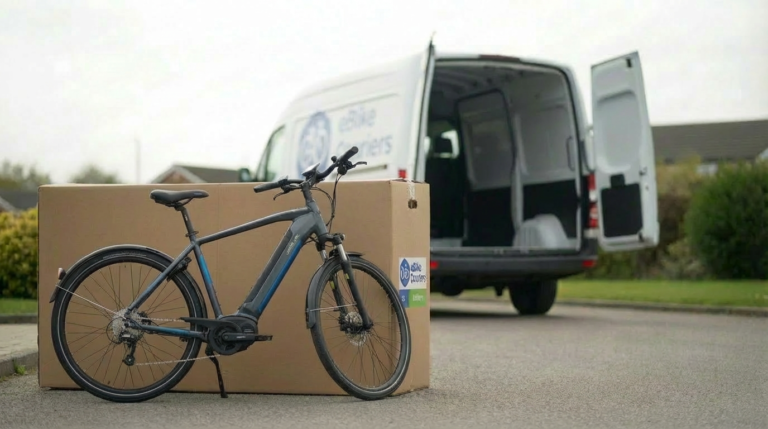
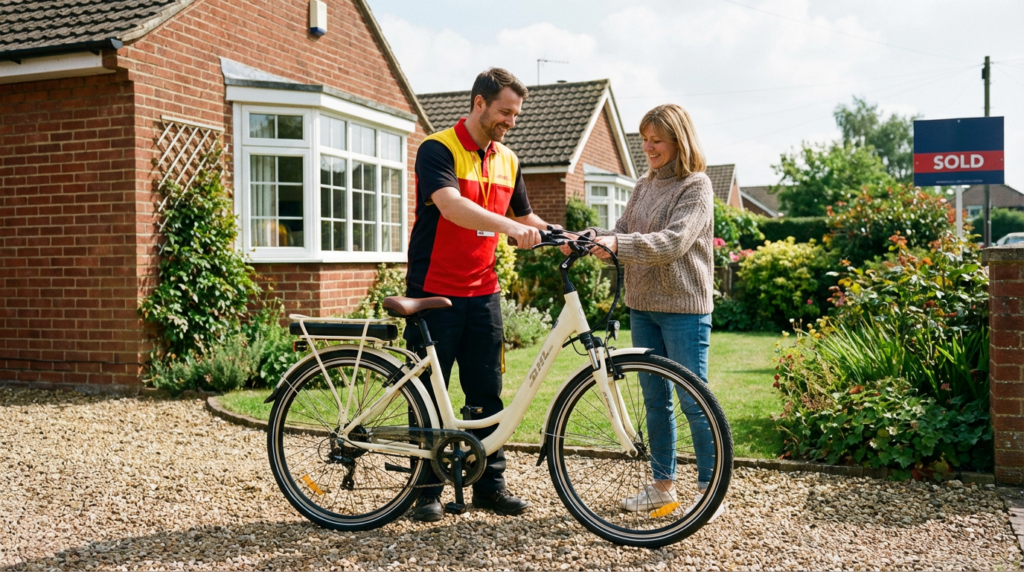
This is exactly why companies like Ebike Couriers, which specialise in no box bike delivery, have grown in popularity. Instead of dismantling the bike and feeding it into a parcel network, it stays fully assembled. It’s secured once, transported directly and delivered ready to ride.
No conveyor belts, no repeated depot handling, no oversized carton charges and no reassembly worries at the other end. After my own experiences with bent hangers, damaged wheels and awkward insurance claims, I know which approach I prefer.
When you’re shipping something you care about, reducing the number of things that can go wrong is usually worth it.